
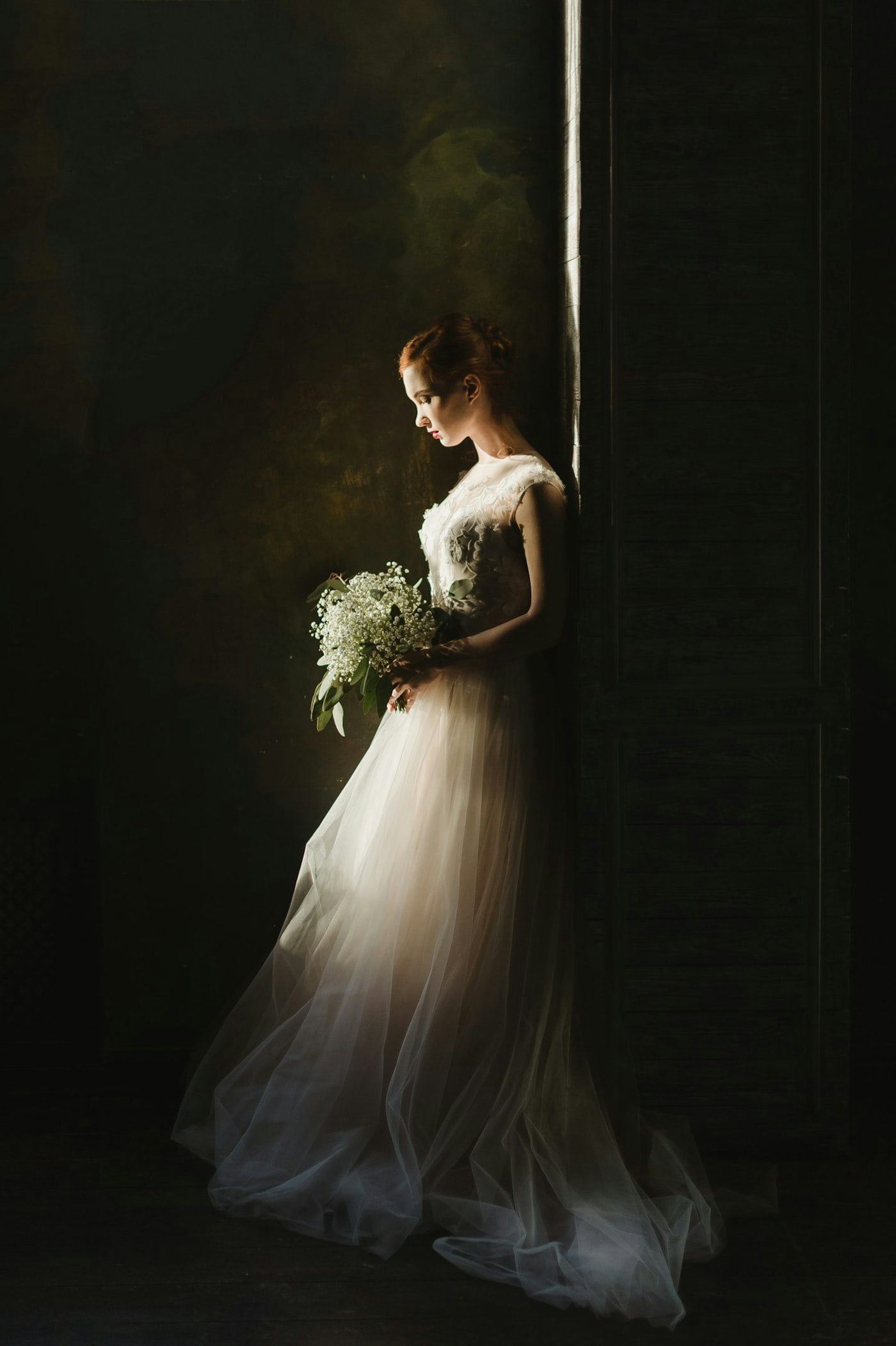
1. What do you make in-house?
Ask who develops the pattern, cuts the fabric, sews the garment, applies surface work, and handles alterations. There is no single correct studio structure, but you should know where responsibility sits when a fit or finish needs attention.
2. What timeline do you recommend for this design?
The answer should respond to the garment you are discussing, not only a standard lead time. Fabric sourcing, handwork, corsetry, and multiple event looks all add different kinds of time. Confirm the design-lock date, fitting period, and intended handover—not just the day work begins.
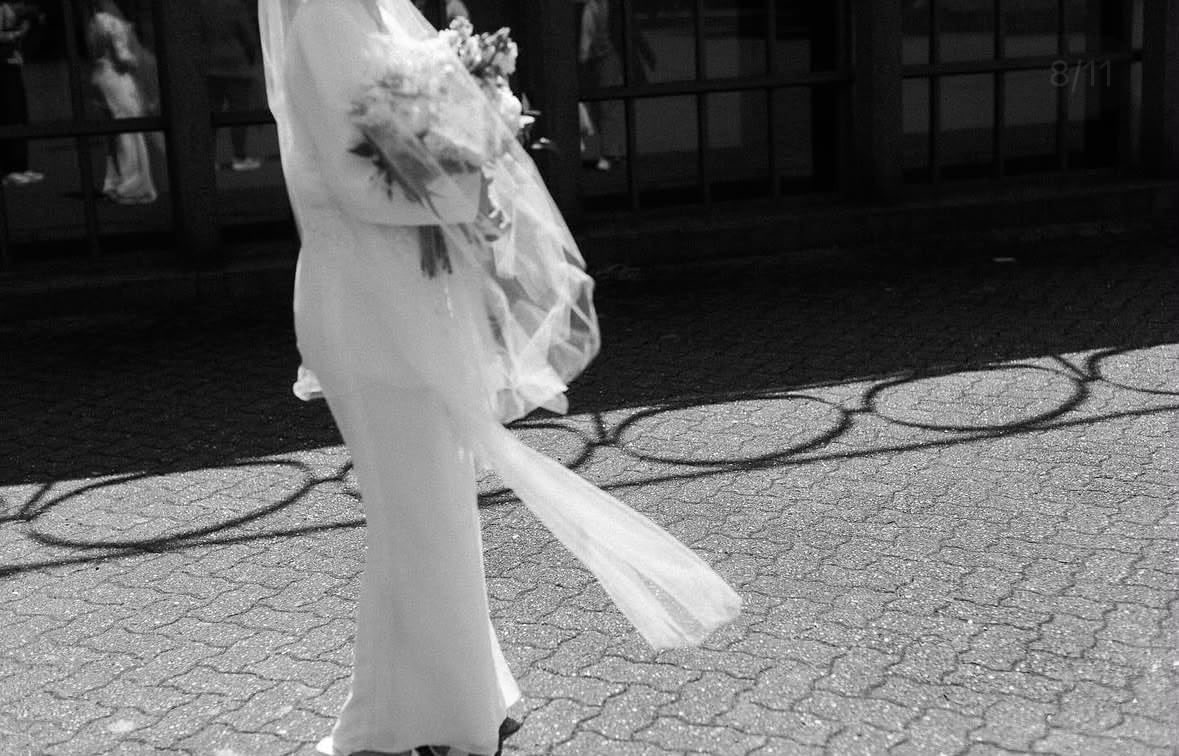
3. How many fittings are included, and what is each one for?
One fitting may establish structure, another the line and length, and a later one the final surface and comfort. Ask what you are expected to bring, who should attend, and what happens if your measurements change. A fitting count is useful only when its purpose is clear.
4. How will we choose fabric?
Find out whether you will see physical swatches, attend a sourcing trip, or choose from studio stock. Ask to compare the proposed outer fabric and lining together. Drape, opacity, heat, and the weight of embroidery cannot be judged reliably from a saved image.
5. What is included in the quote?
Request a written scope that names the garment, core materials, fittings, finishing, and any accessories. Confirm how design changes, rush work, travel, extra fittings, or a major measurement change are handled. This is less about finding the lowest number than making sure both sides are pricing the same object.
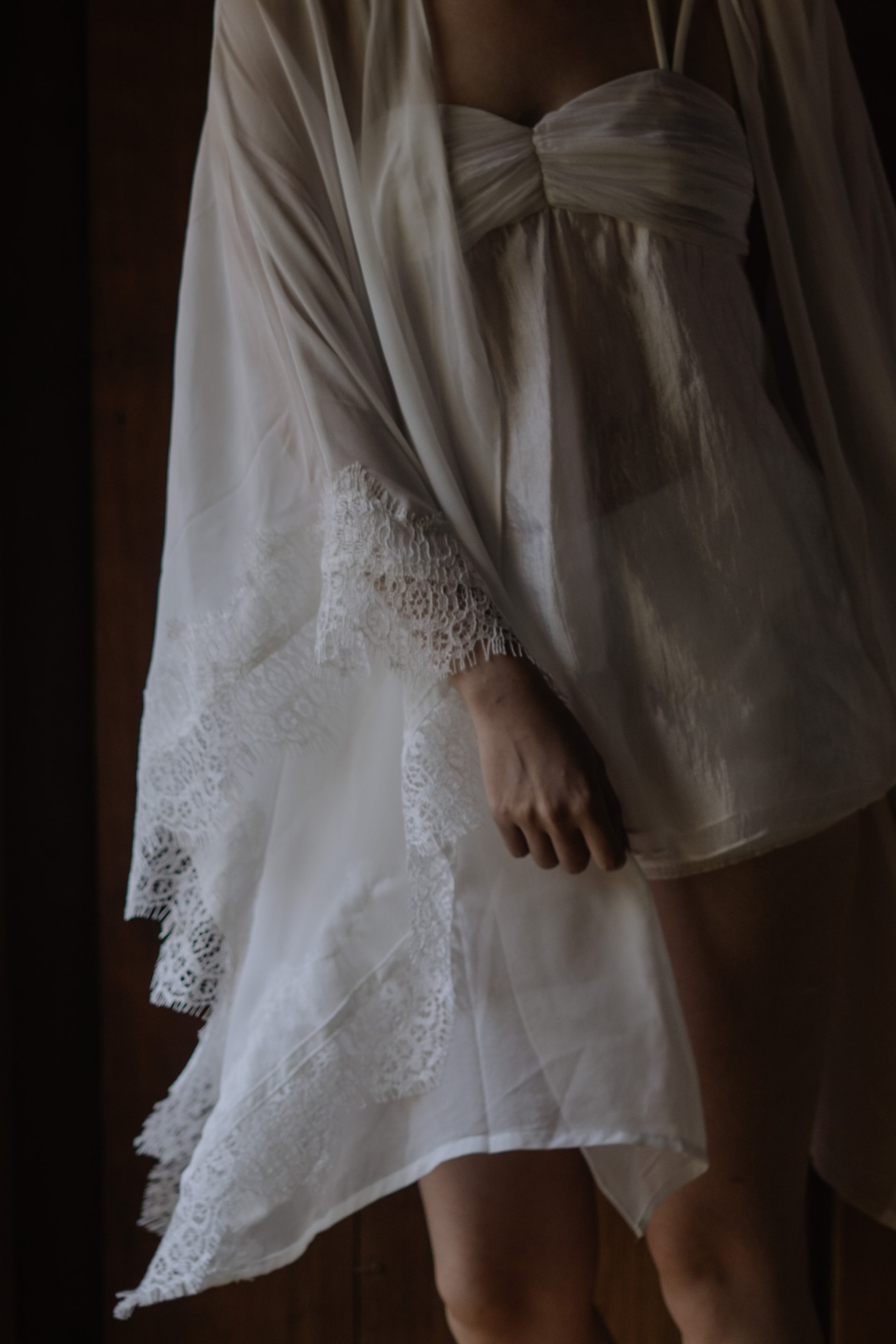
6. When is the design considered final?
Custom work needs a point after which the pattern and materials can be committed. Ask how revisions happen before that point and what qualifies as a new scope afterwards. A clear boundary protects the time required to make the agreed design well.
7. May I see work that shows similar construction?
A relevant example is more useful than a large portfolio. If you are discussing a soft draped bodice, ask to see a finished drape. If support matters, look at the inside of a structured piece. You are checking how an idea is resolved in cloth.
8. How do you handle comfort and movement?
Explain how long you will wear the garment, whether you will sit on the floor, climb stairs, dance, or change locations. Ask how the train is managed and whether detachable pieces have a secure resting place once removed.
9. What happens at handover?
Confirm the target handover date, final review, pressing, packing, and care instructions. If someone else will help you dress, ask whether the studio can explain fastenings, layers, and the bustle to that person.
10. What do you need from me to keep the work on time?
The client has a part in the schedule too: replying to design decisions, attending fittings, supplying shoes and undergarments, and flagging travel or body changes early. This last question turns a broad timeline into a practical agreement.
You do not need to ask all ten questions word for word. Use them to notice whether the designer can make the process visible. The right working relationship should leave room for taste and intuition while keeping dates, cost, and responsibility plain.